steel edging for raised beds in your garden

Metal Raised Beds and Planters

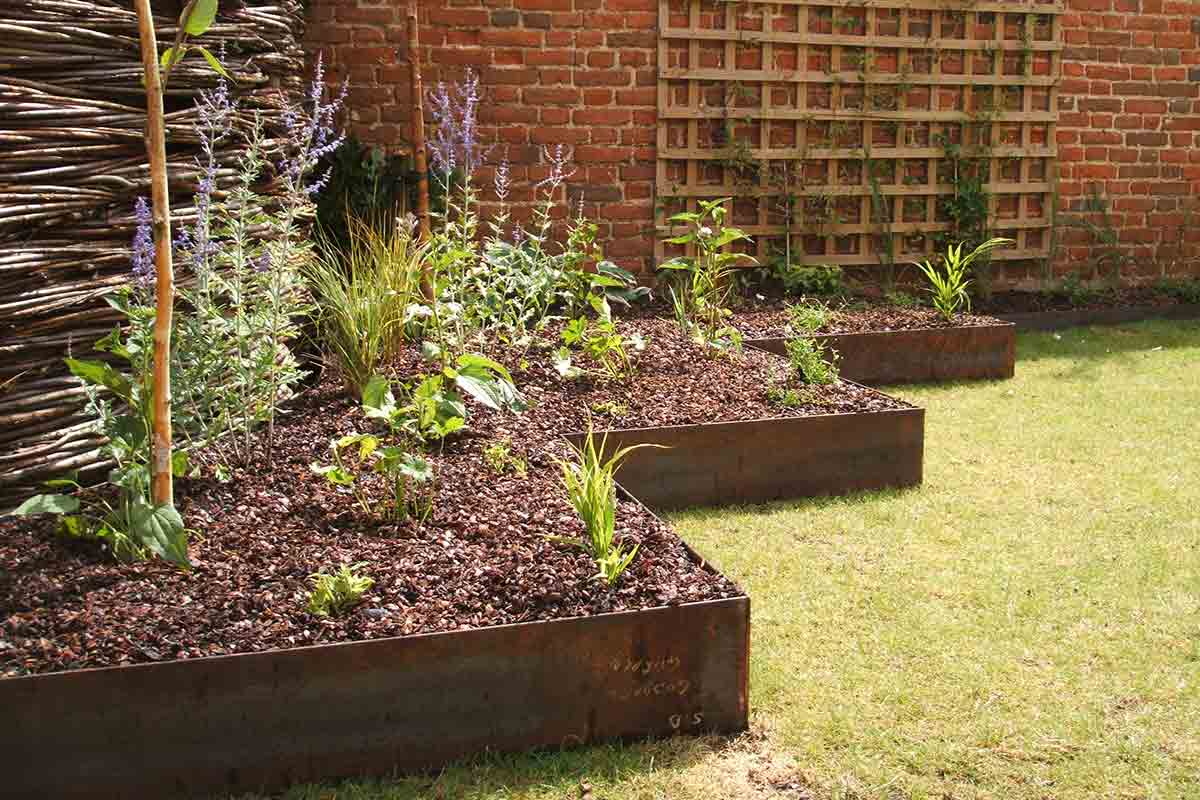
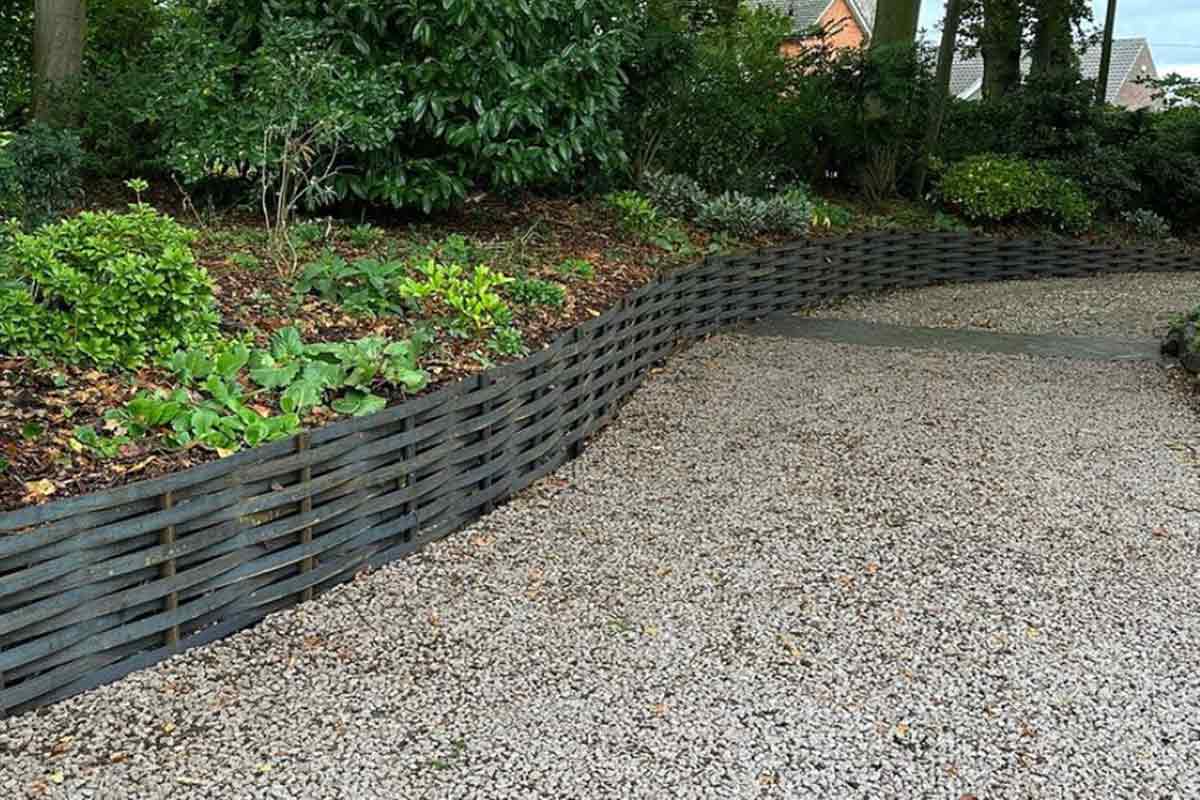
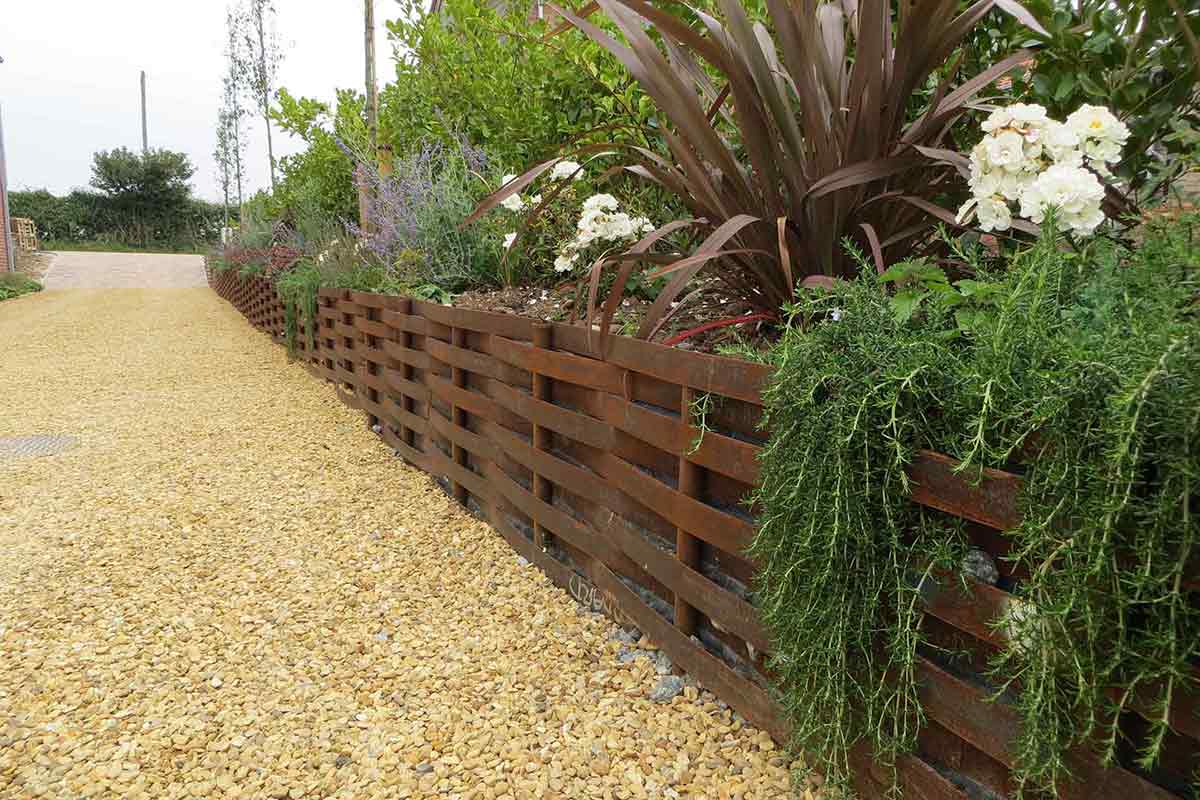
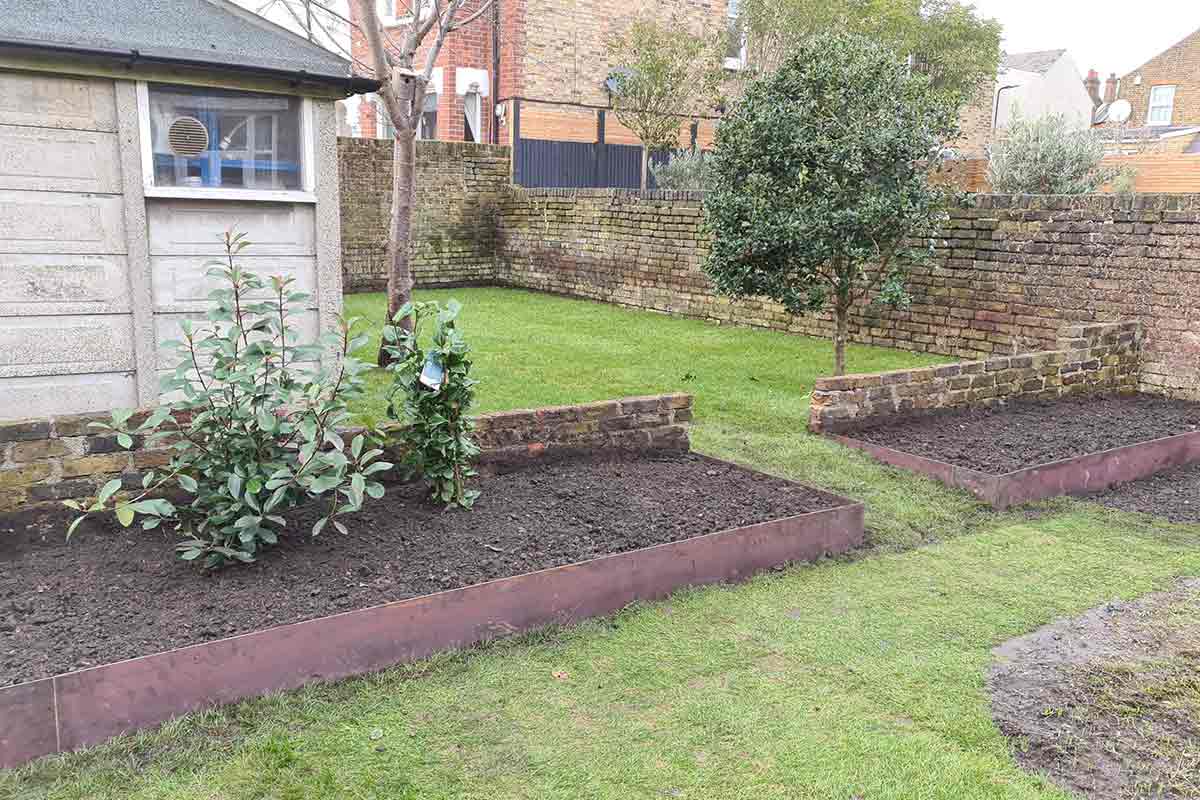
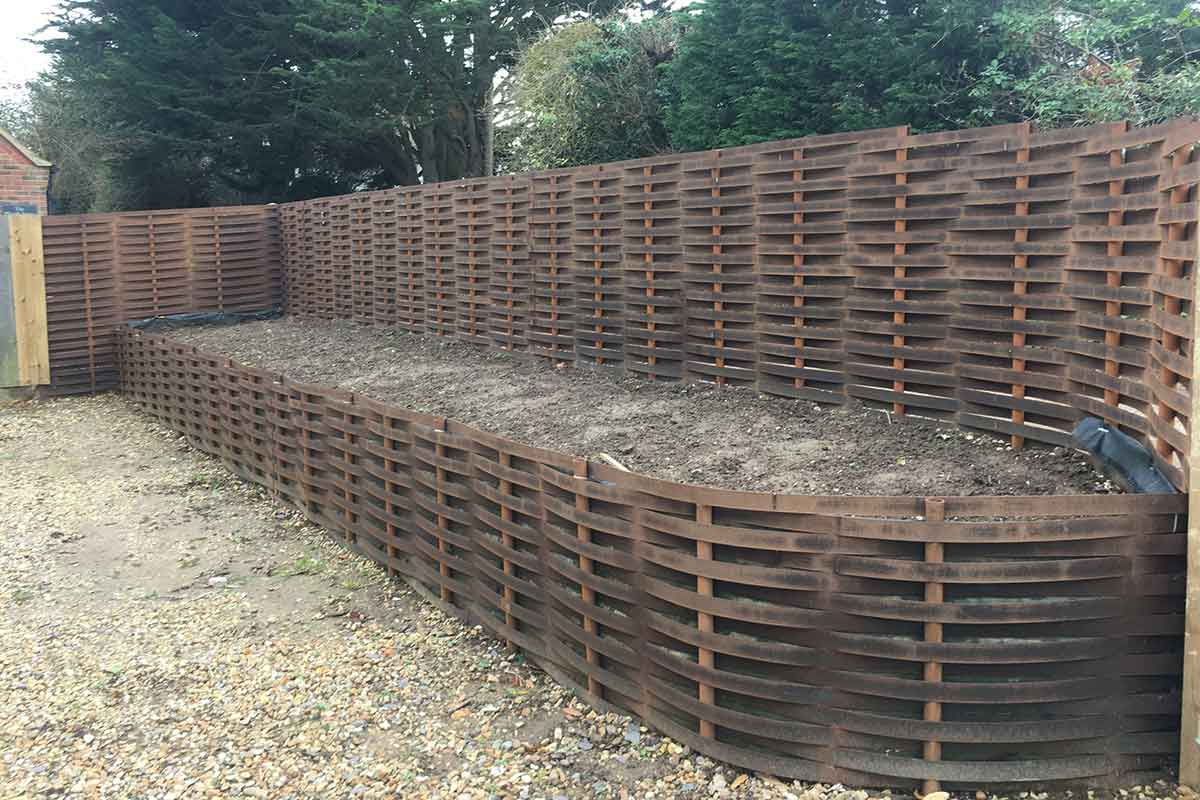
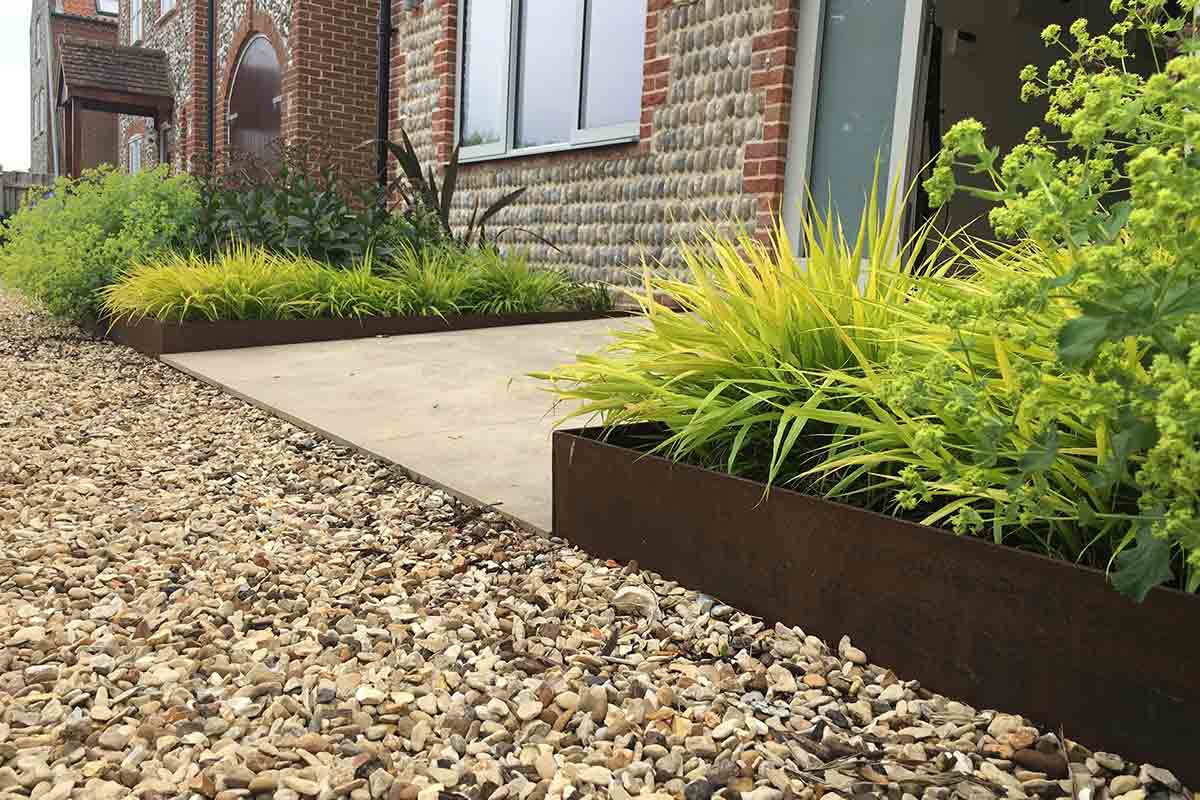
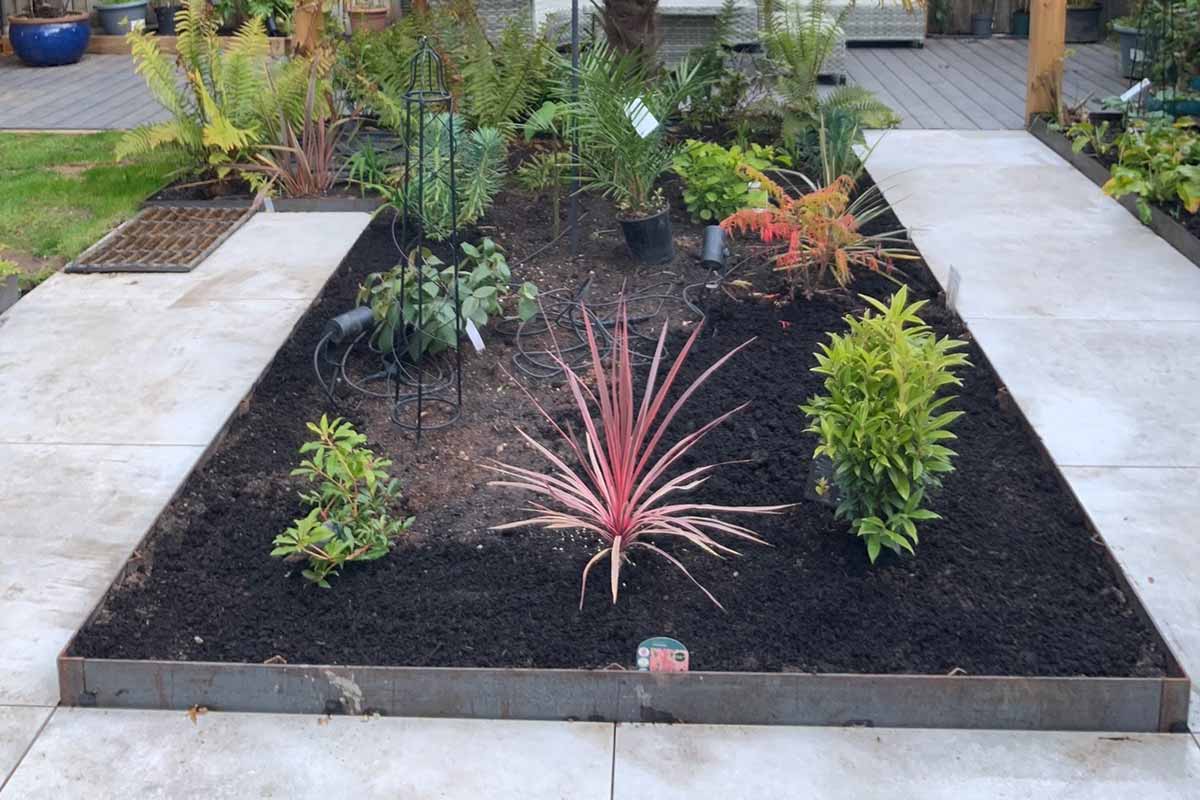
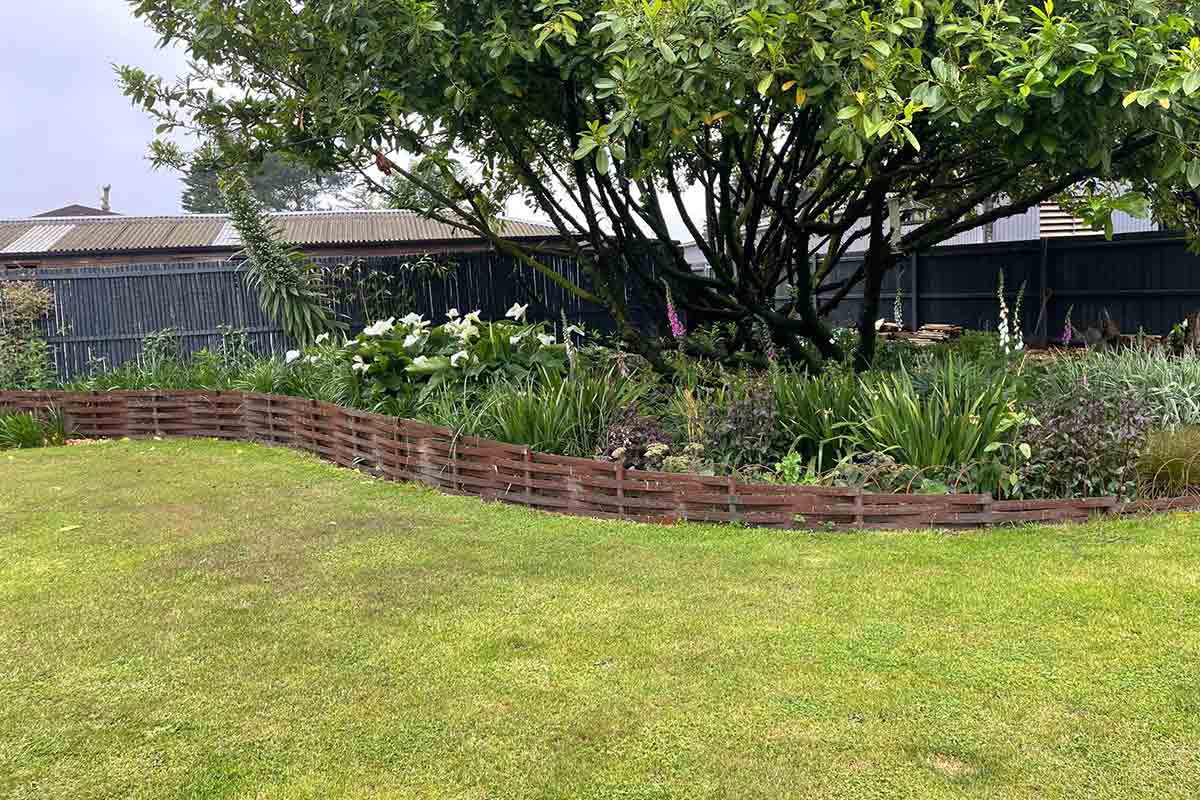
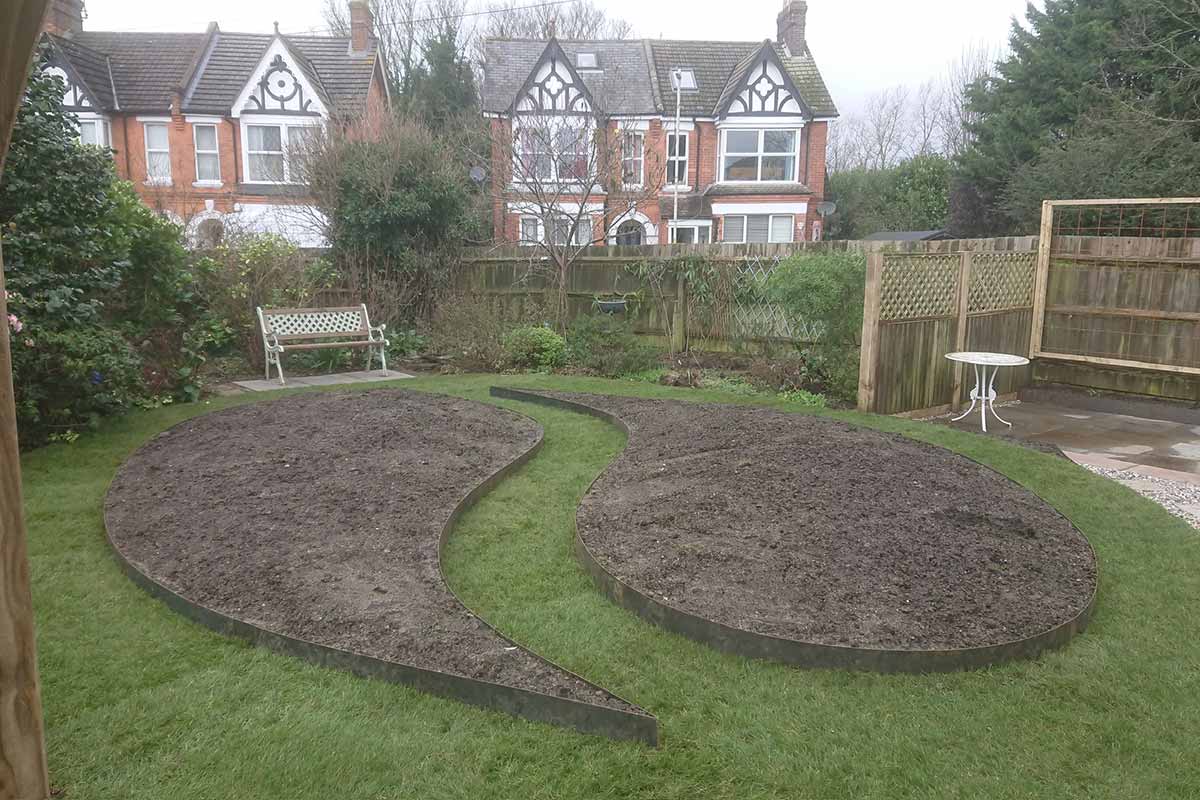
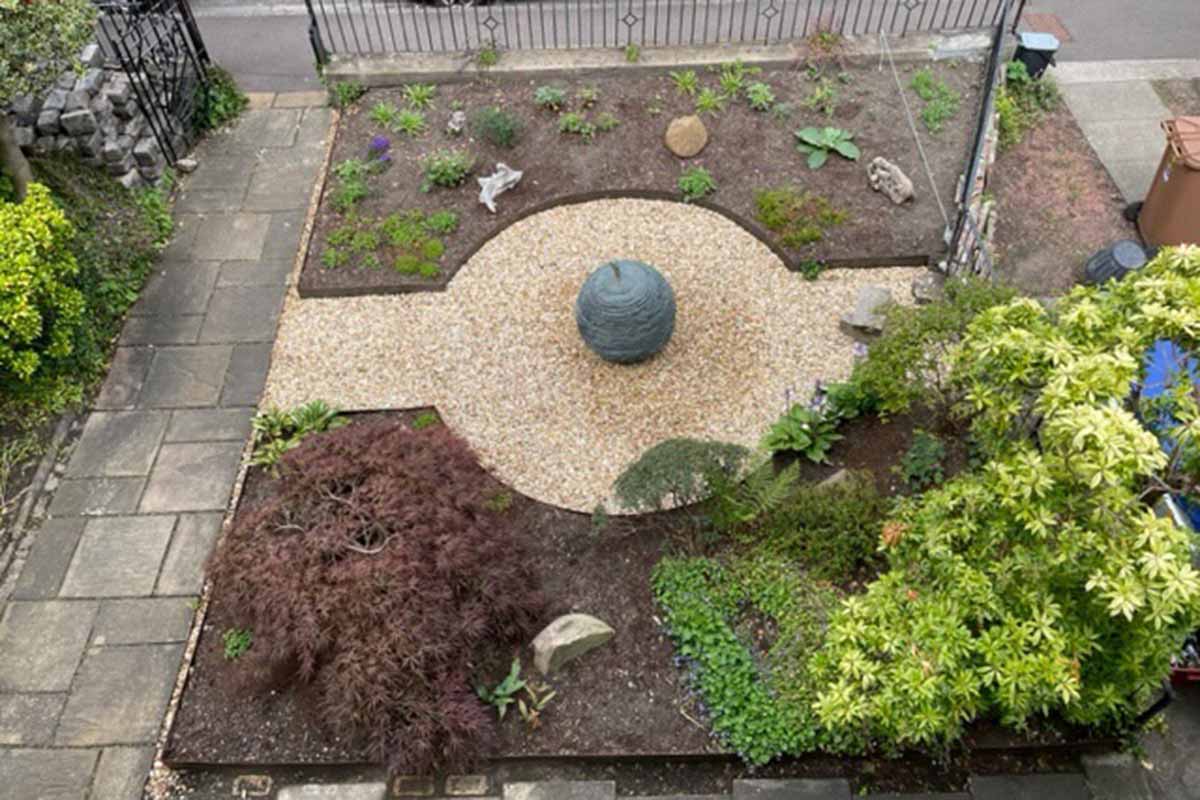
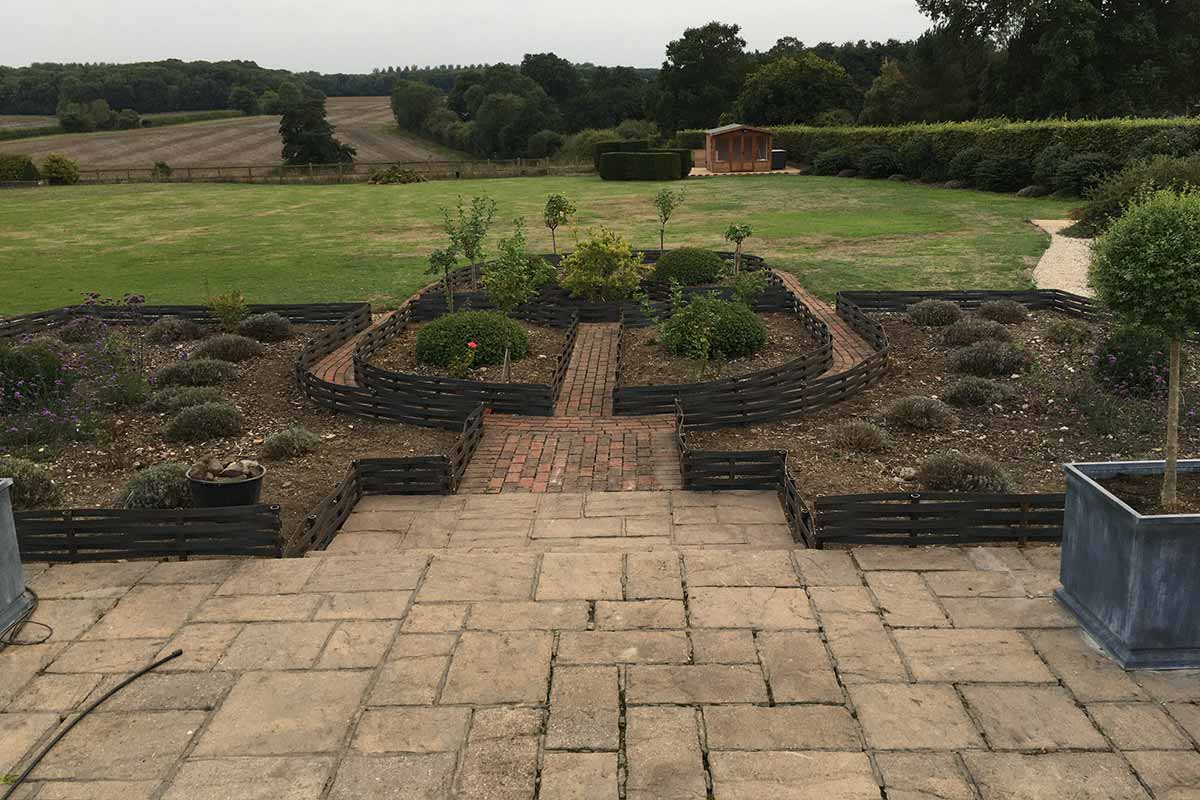
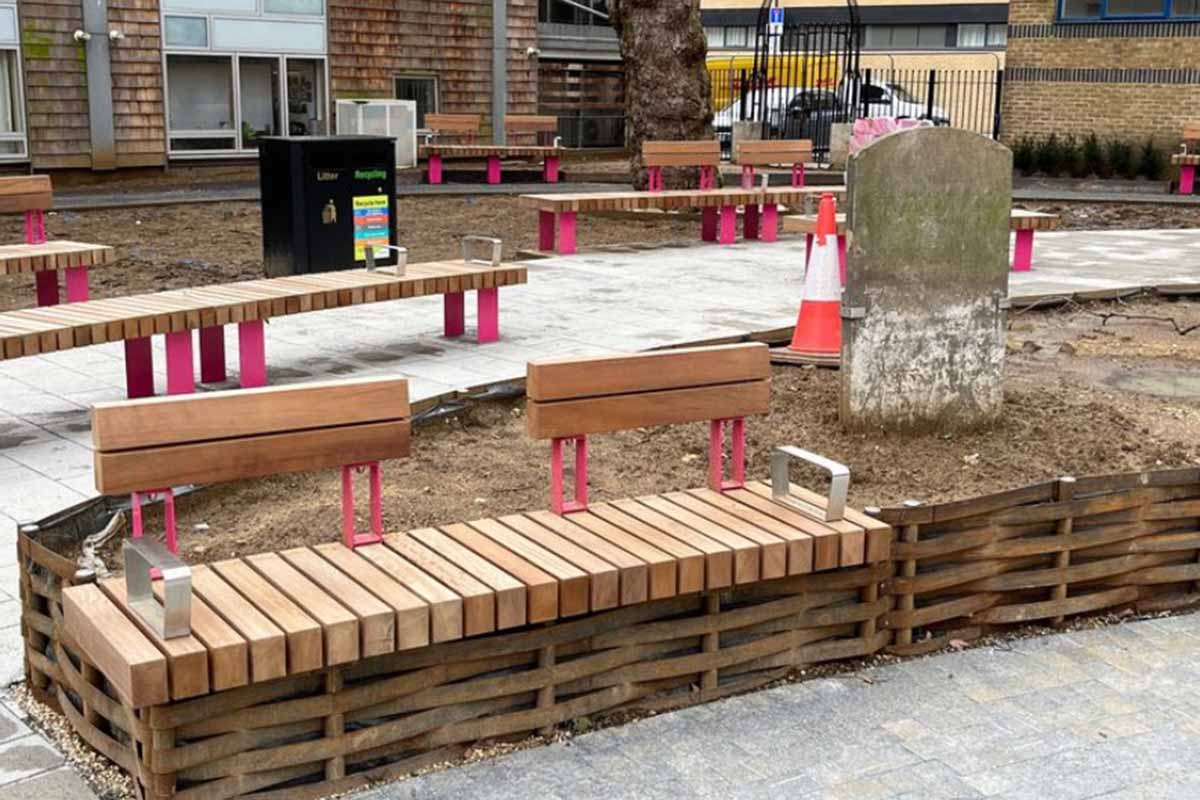
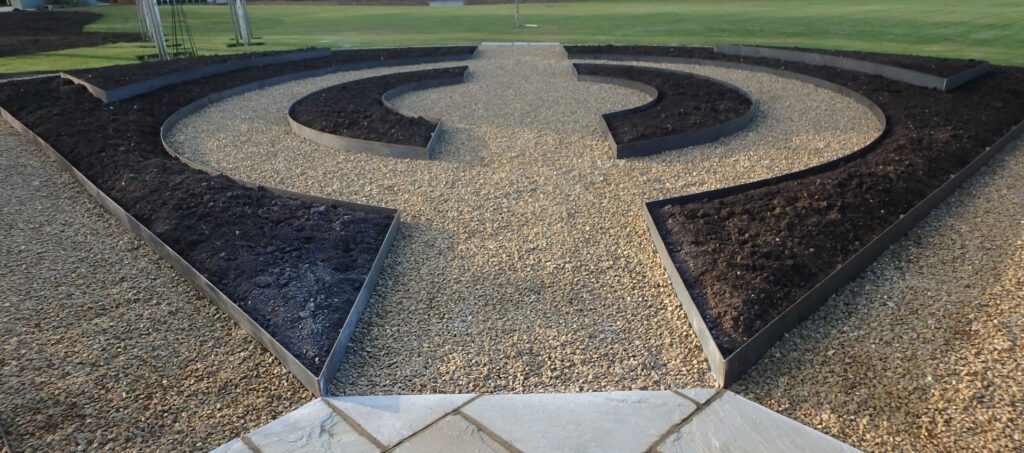
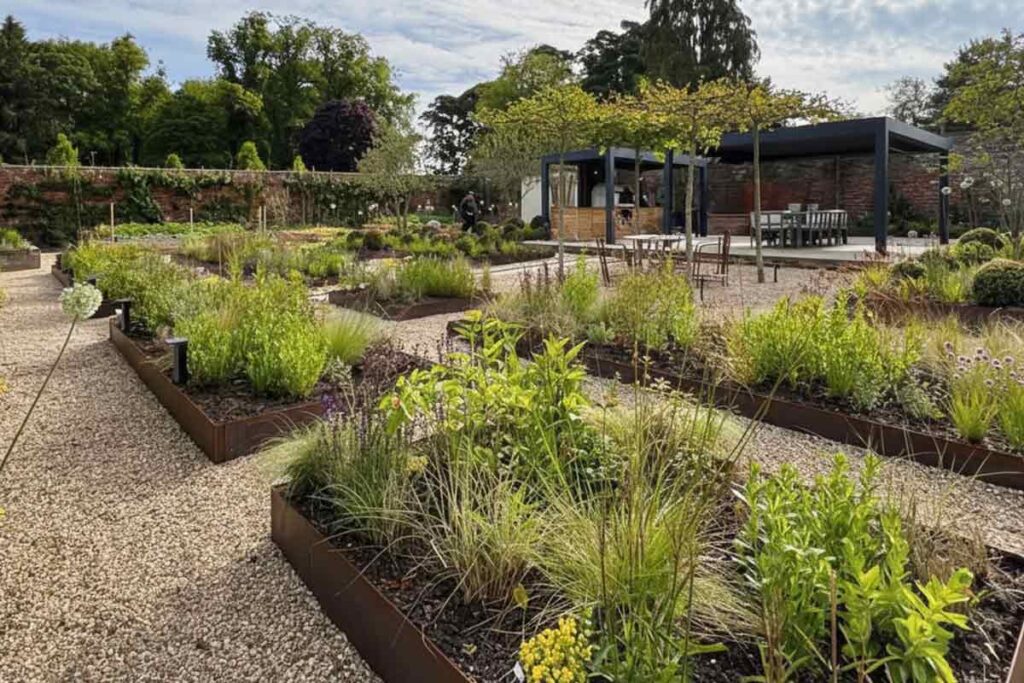
Our woven steel fencing and steel edging are two very different products however they both lend themselves perfectly to creating raised beds and planters in either corten steel or mild steel.

We see our woven steel fencing and edging used to create raised planting areas so often we decided to dedicate this new webpage to them.

Steel is the ideal material for raised beds and planters, it won’t rot, it’s thin profile takes up less space than timber, it looks crisp, can form any shape and once weathered it’s golden brown tones look lovely against foliage.

We make it easy..

With both systems we can supply a bespoke kit based on your sketch or provide the materials for you to dream up your own design while fitting on site.

Which system is best for raised beds and planters?

Solid steel edging

Solid Steel Edging

Woven steel fencing

Woven Steel Fencing

Much of the answer to this lies with your personal preference and practicalities of the material. However here is our take on it.


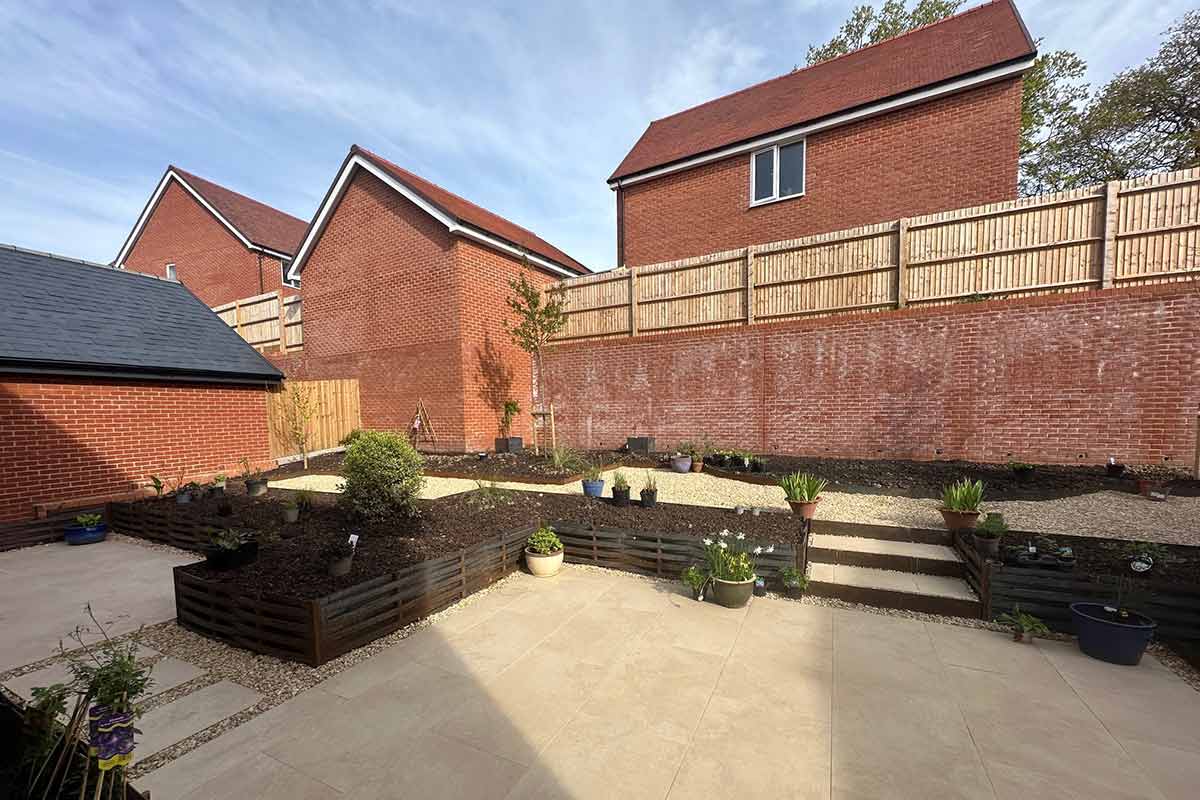
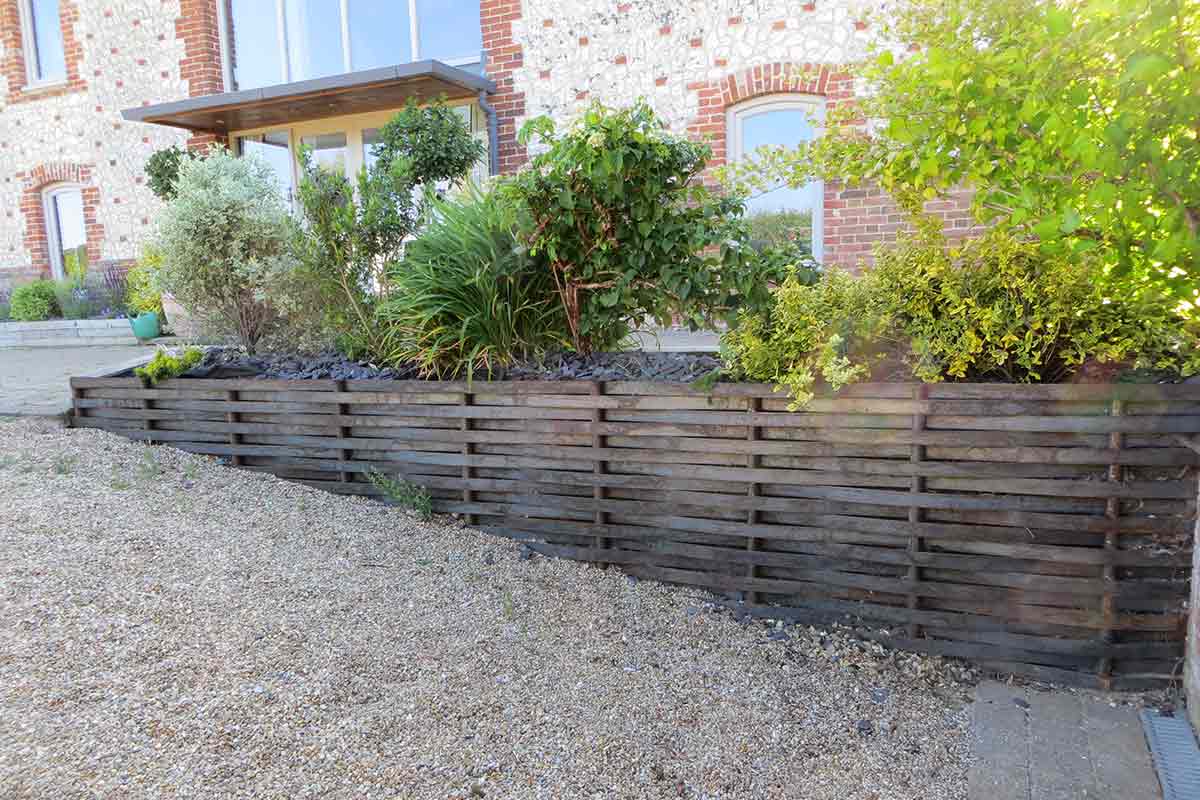
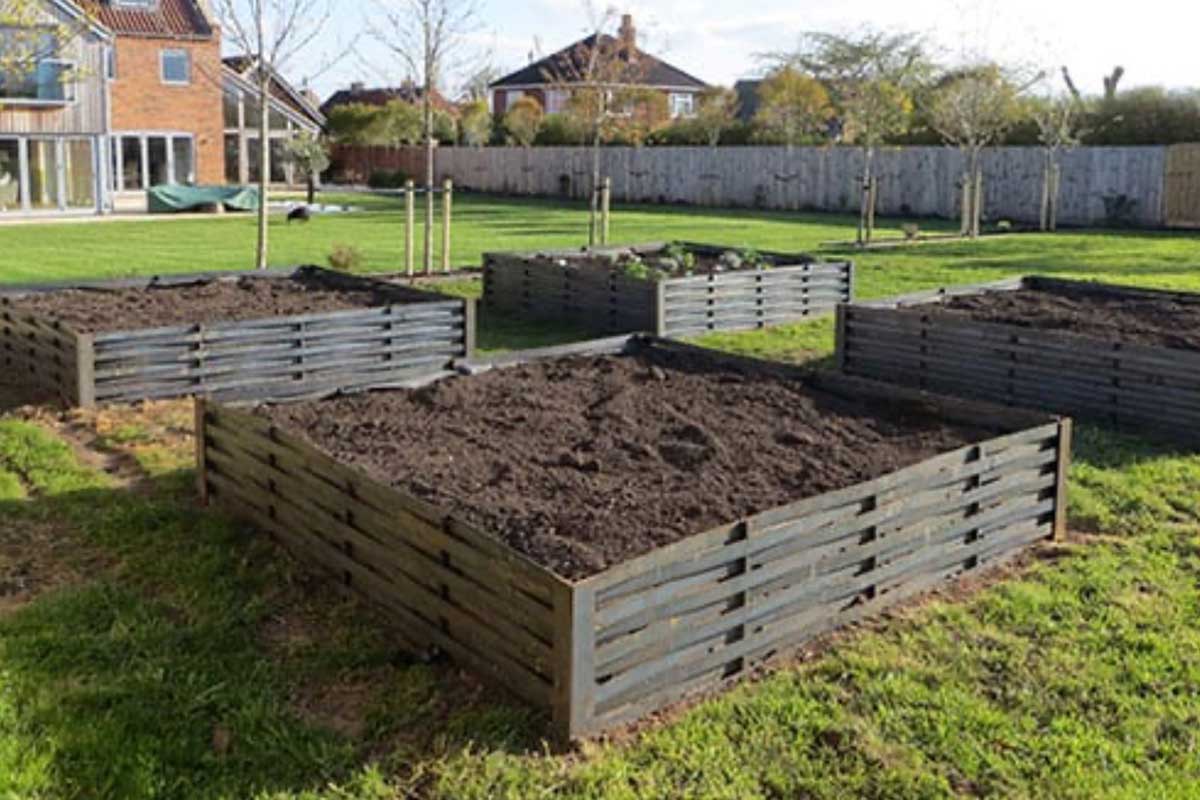
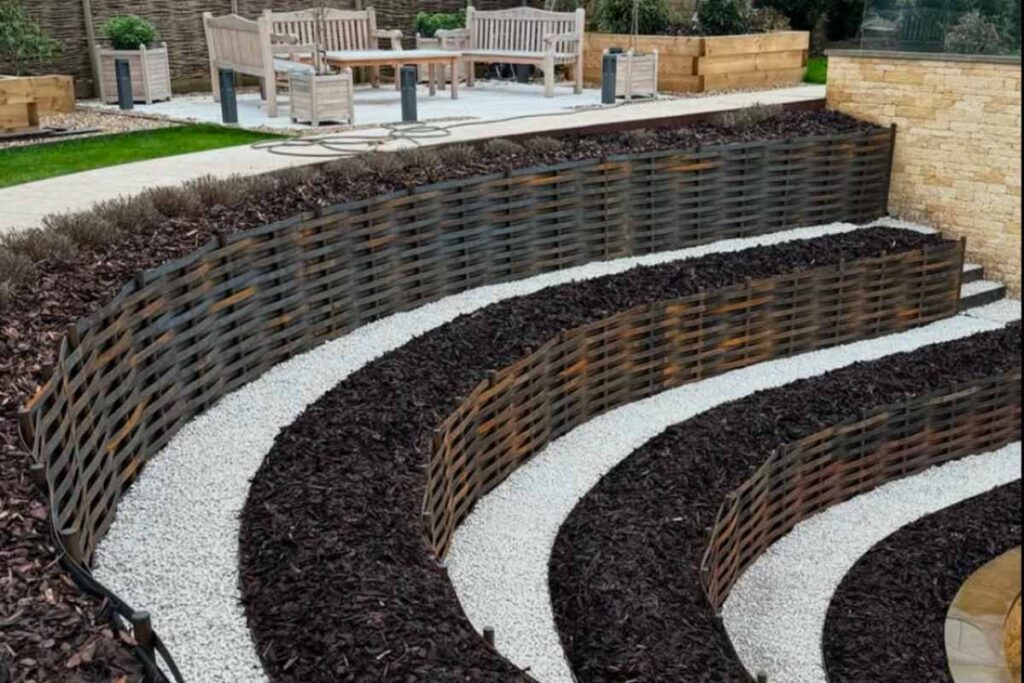
Woven steel raised beds and planters

– Ideal for constructions over 25cm high as you ideally need at least 5 slats to form an attractive weave (which is 25cm).

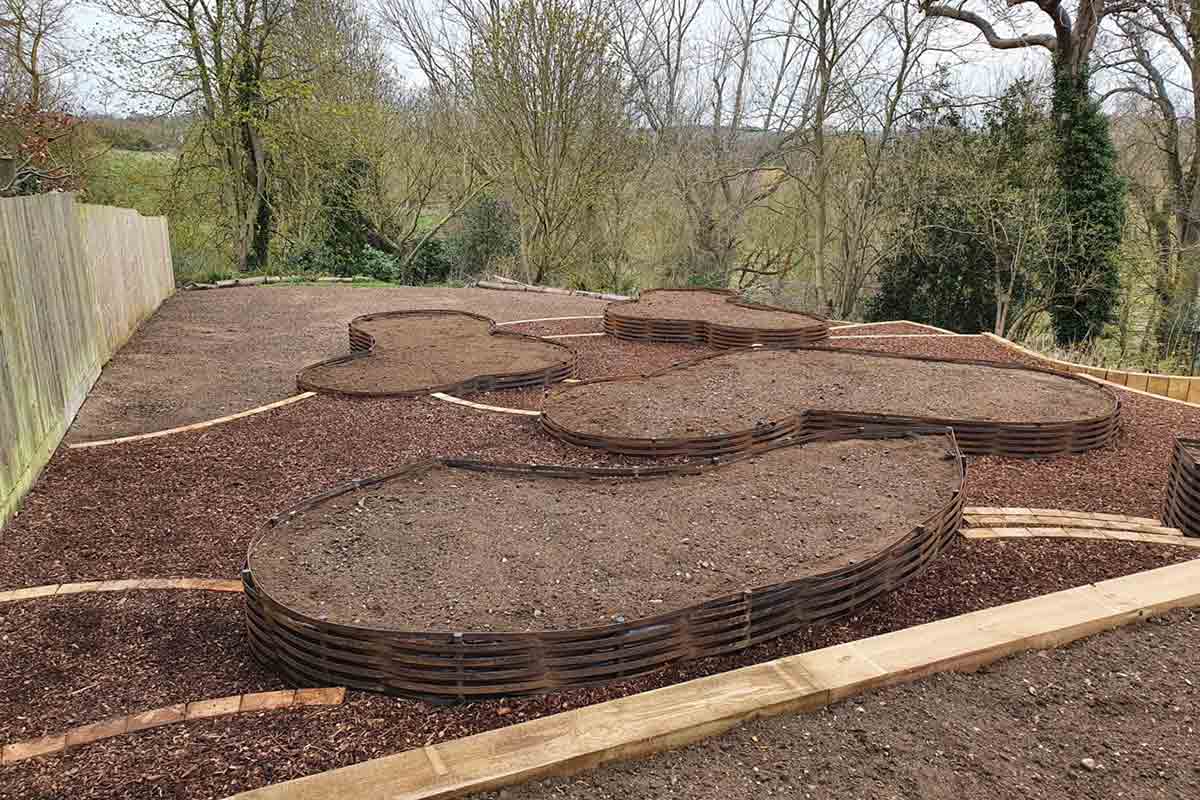
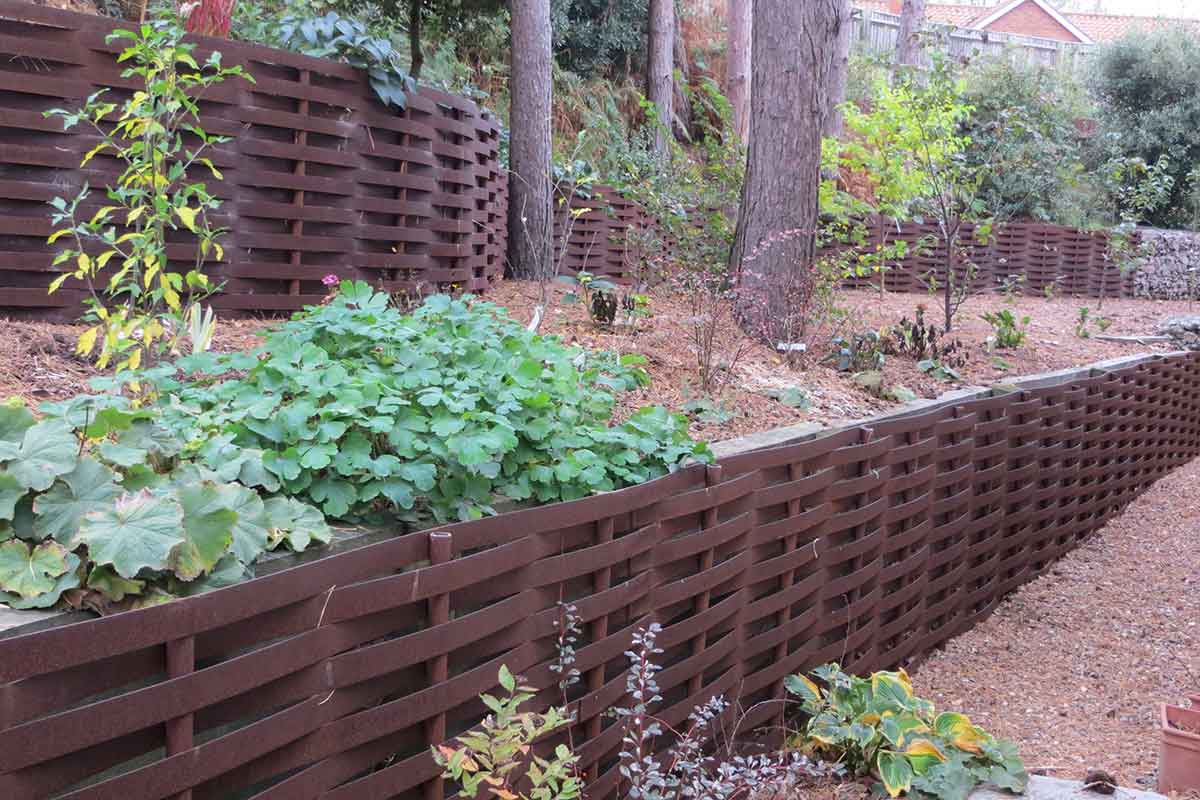
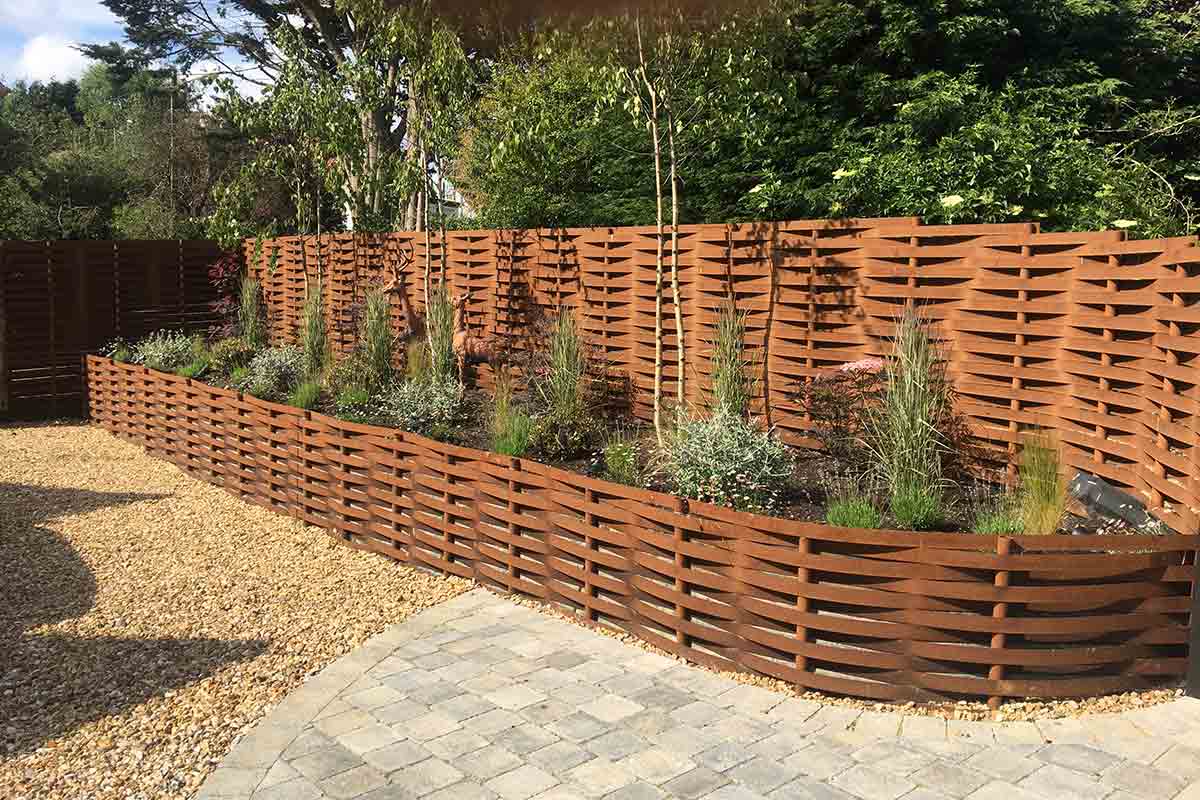
– Woven steel is ideal for raised beds with particularly tight curves or those with stepped bases, for example on a slope or where a stepped top is desired for aesthetics

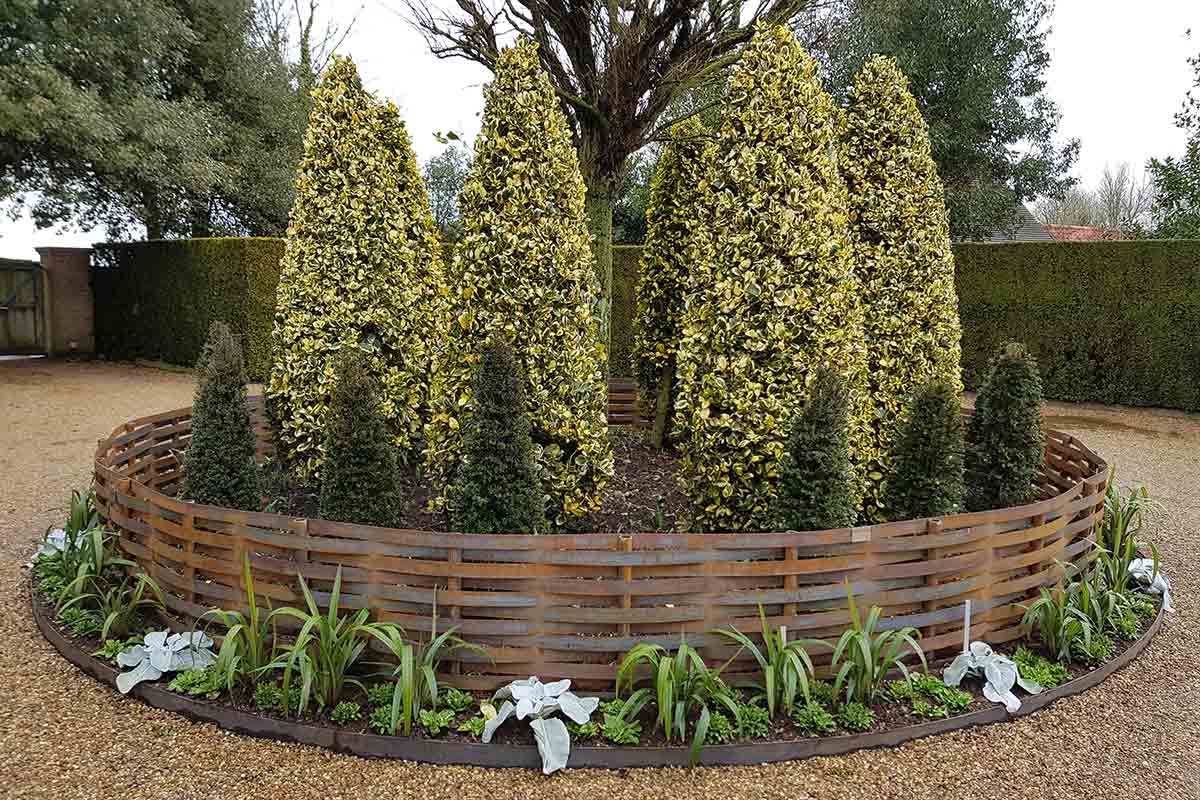
– Where a more “fluid” look is desired, woven steel will enhance the informality of a scheme

– Create taller raised beds with the woven steel up to 1.2 meters high (with bracing as per our recommendation)

– Woven steel raised beds and planters are built by you on site from our tailored kits supplied just for your project. Woven steel offers complete versatility to create any shape and size. Construction is straight forward, see our customer projects below as testament to that.

For more information and pricing, see our self fit woven steel fence page here

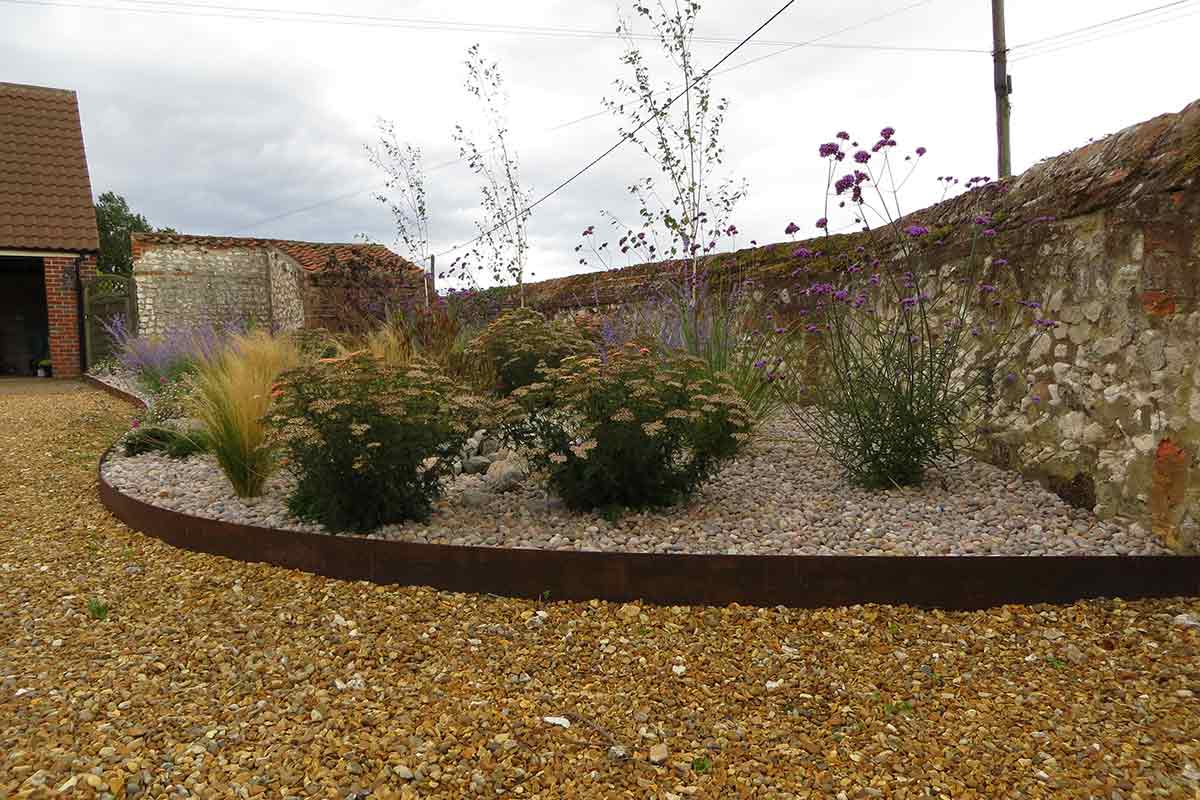
Solid steel raised beds and planters

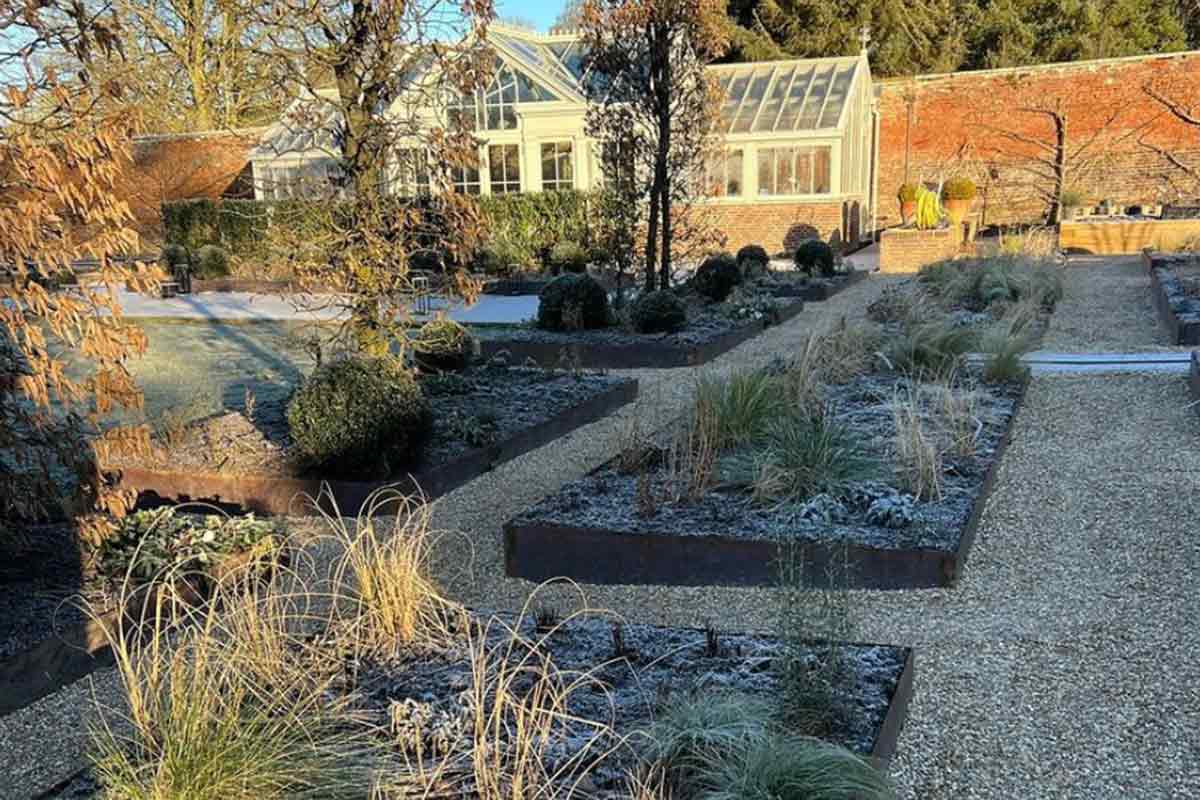
– Ideal for raised beds of 300mm high or under.

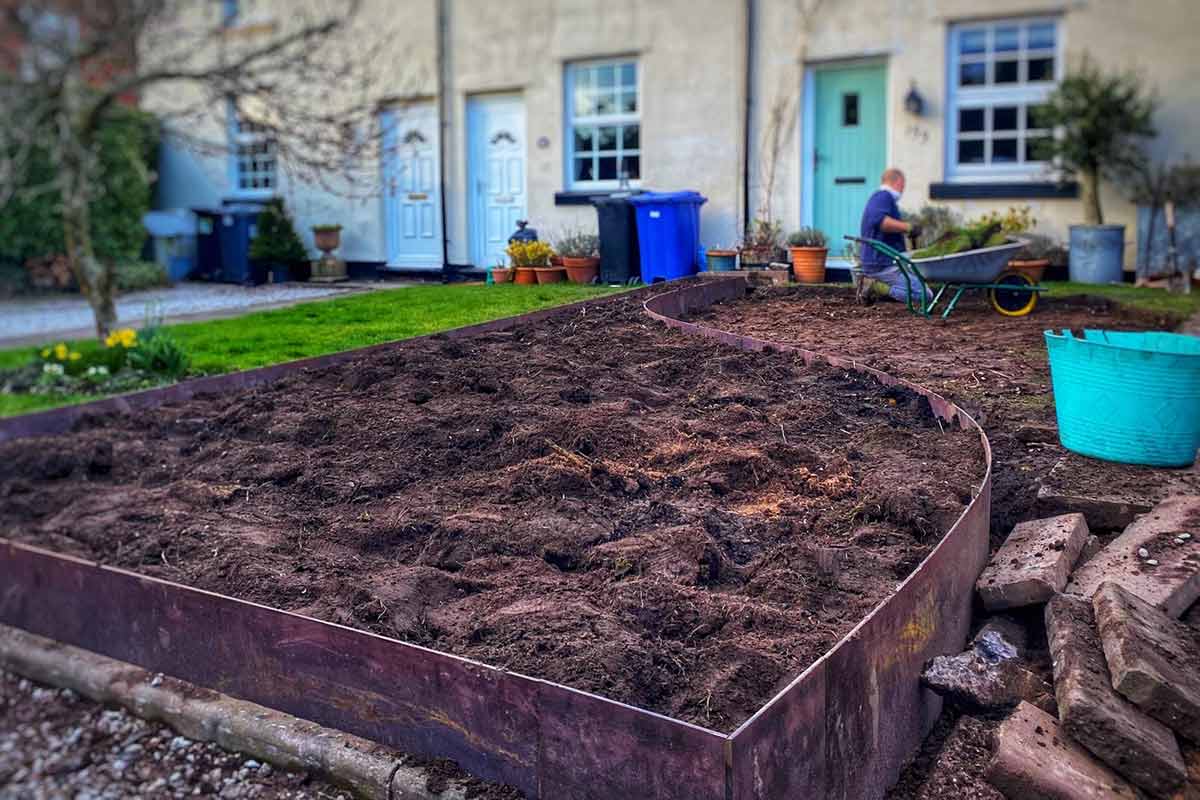
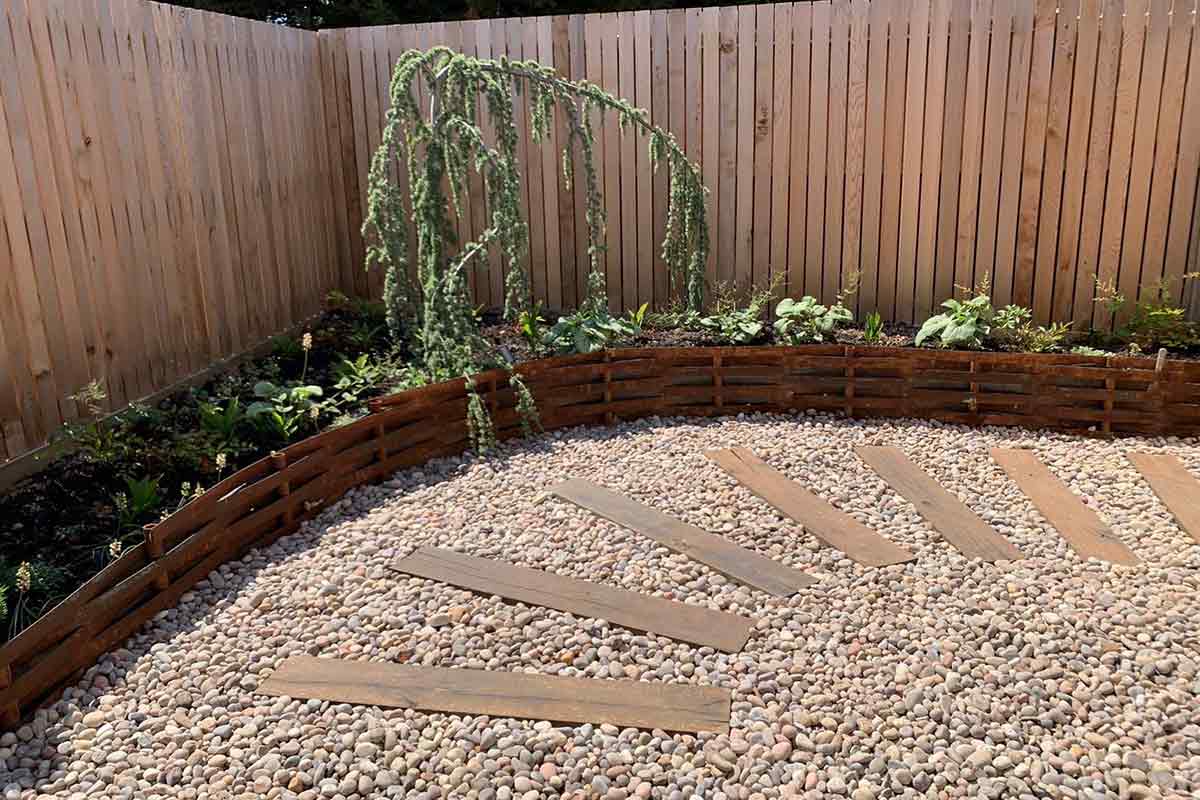
– For a more crisp formal look, although if you want curves the edge will flex to form natural flowing shapes despite its market leading 6mm thickness. Our 6mm thick edging will flex to form a complete circle with a radius down to at least 2.4 meters.

– Use where a solid steel face is preferred over woven.

– In environments where maximum strength is required, for example surrounding a car park where cars are likely to come into contact with them our solid steel edge is the way to go.

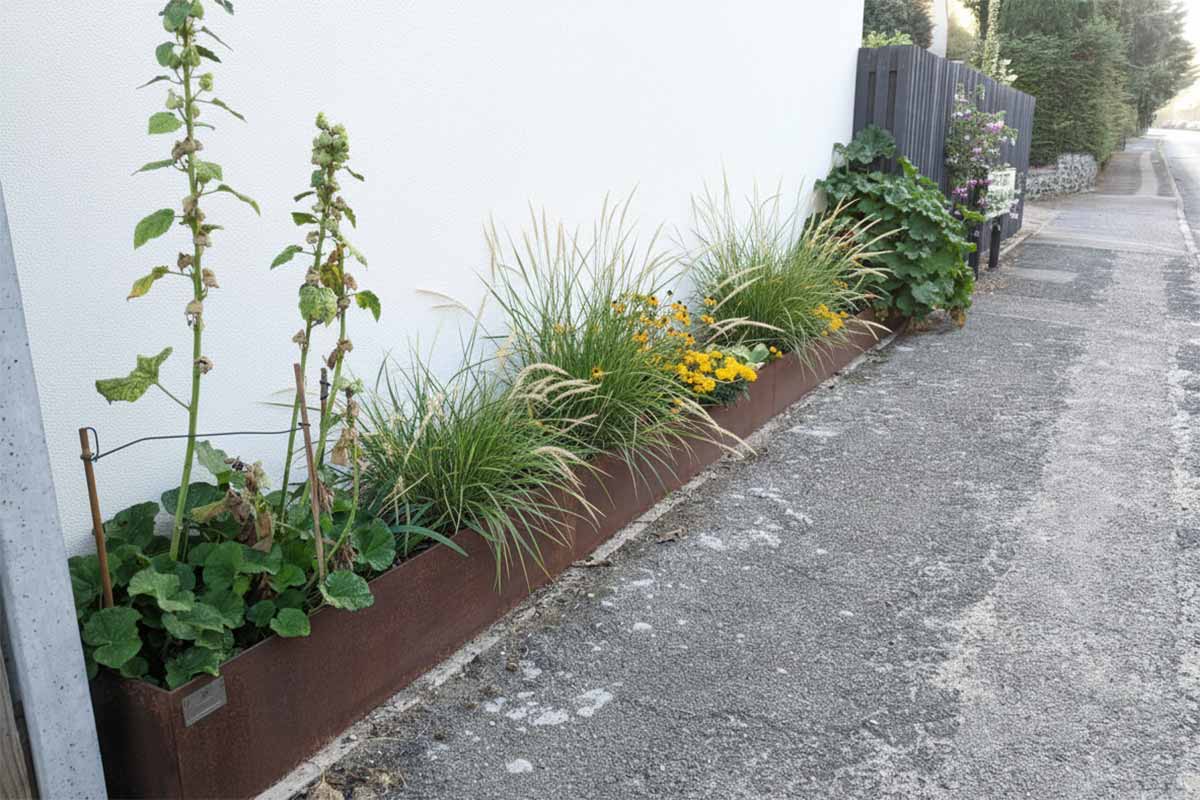
– Where you may prefer a completely tailored solution, the edge simply bolts together and we can supply corners to your custom angles and sections cut to length. Small planters come pre-made but due to using 6mm thick steel a majority of planters will need to be connected together on site with the fixings provided, please note no fixings are visible on the seen face and you just need a spanner.

For more information and pricing, see our self fit edging page here
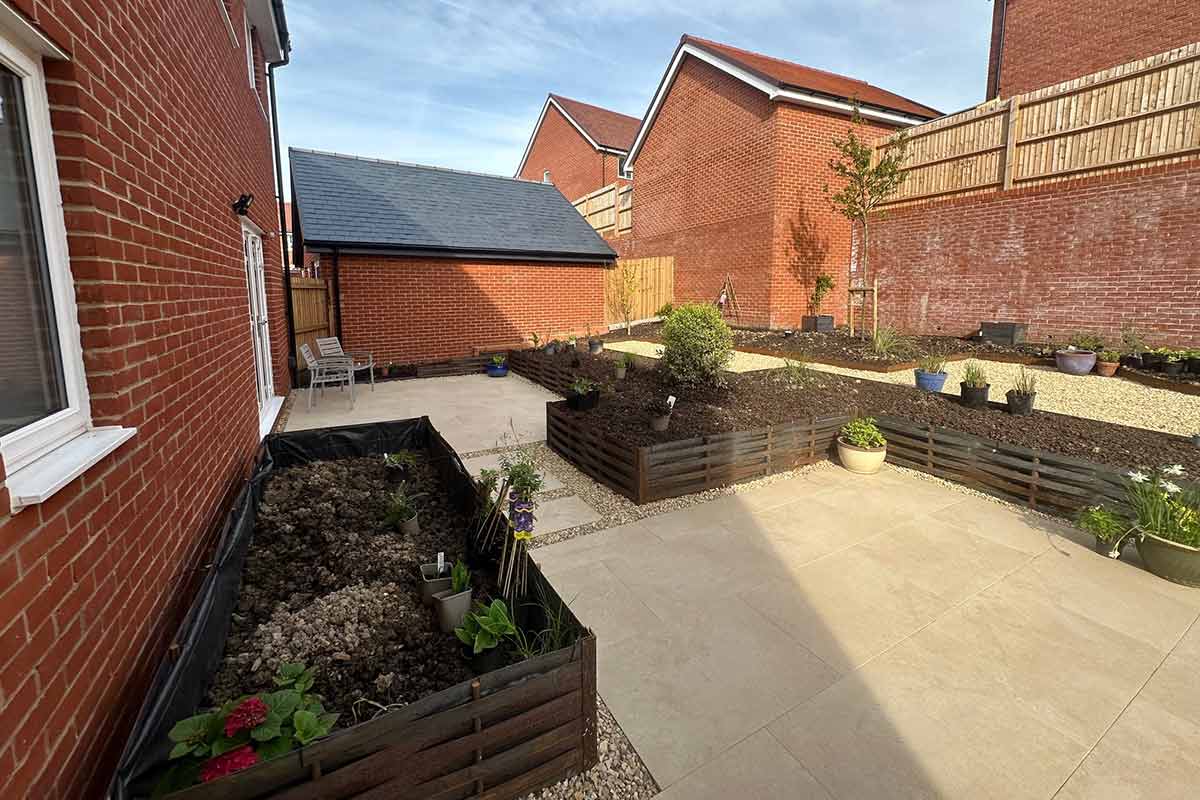
Solid steel raised beds and planters

Should I choose corten steel planters or mild steel?

What are the differences between the two?

We offer both options. Corten steel is a brand name for a type of weathering steel which contains a slightly different mix of alloys namely more copper and chromium than mild steel, this means once Corten steel planters or raised beds weather (rust) it creates a protective layer which slows down the degradation process. This also means Corten leaves very little rust staining to paved areas once weathered unlike mild steel.

Corten has become a popular brand in recent years beginning in architecture and art and that has since fed into gardens.

Mild steel is a much more abundant metal than Corten, it will continue to degrade at a faster rate, however don’t be alarmed, this process is still extremely slow and the your planters won’t start flaking or breaking up, in fact our mild steel products will still be solid and looking good in excess of 40 years and our 6mm mild steel edging well in excess of this. There are still metal fences and gates around today from the Victorian era!

Appearance

In terms of appearance corten is typically a slightly lighter orange colour than mild steel however the variation is minimal and the conditions have a greater effect on the weathered colour than the difference between the two metals.

What’s the big difference between corten and mild steel?

Aside from the above the main difference is the price. Corten steel raised beds and planters are around 75% more expensive than mild steel. This is partly due to the increase in materials cost and partly additional processing costs which is due to the fact Corten is produced in sheet form and needs to be cut into the strips to form the edging or woven steel fencing.

What is our opinion when choosing between Corten planters or mild steel?

We think as mild steel does the job so well the extra 75% expense of using corten is not worth it in most scenarios with the exceptions being planters set on paving where staining may be an issue or if you have an abundance of corten steel in the garden already and placing a mild steel construction next to it could upset the aesthetics.

For your interest all of the images in the portfolio below are of mild steel.

Of course, we are more than happy to quote for and provide both material options.

Please get in touch or complete our quote form for a price on your projects.

See more of our customers creations below

OUR SAME DAY QUOTE FORMS

GDPR logo
Privacy Overview

This website uses cookies so that we can provide you with the best user experience possible. Cookie information is stored in your browser and performs functions such as recognising you when you return to our website and helping our team to understand which sections of the website you find most interesting and useful.

This website also uses Google Analytics to collect anonymous information such as the number of visitors to the site, and the most popular pages.

By continuing to use this website, you agree to their use.